The Perfect Blend: How Design-Build Construction, Interior Design, and Remodeling Work Together
In today’s fast-paced world, homeowners and business owners alike want solutions that are efficient, creative, and tailored to their needs. This is where design-build construction, interior design and remodeling come together to create the perfect project delivery approach. These three elements, when seamlessly integrated, offer a smooth, stress-free process from the initial idea to the final result. Whether you're planning a home makeover or a commercial renovation, understanding how these parts work together can help you achieve your vision with clarity and confidence.
What Is Design-Build Construction?
Design-build construction is a method of project delivery in which one entity handles both the design and the construction aspects of a project. Instead of hiring separate architects, designers, and contractors, clients work with a single team from start to finish. This approach eliminates communication gaps and streamlines the process.
Here’s how it benefits you:
Single Point of Contact: You only need to work with one team, making communication easier.
Time Efficiency: The design and construction phases happen in tandem, which speeds up the project timeline.
Cost Control: Because the team works together under one contract, budgeting is more accurate and transparent.
Team Collaboration: Designers and builders work side-by-side to find creative, practical solutions that fit your space and goals.
This method is ideal for both residential and commercial projects where time, budget, and quality all matter equally.
The Role of Interior Design
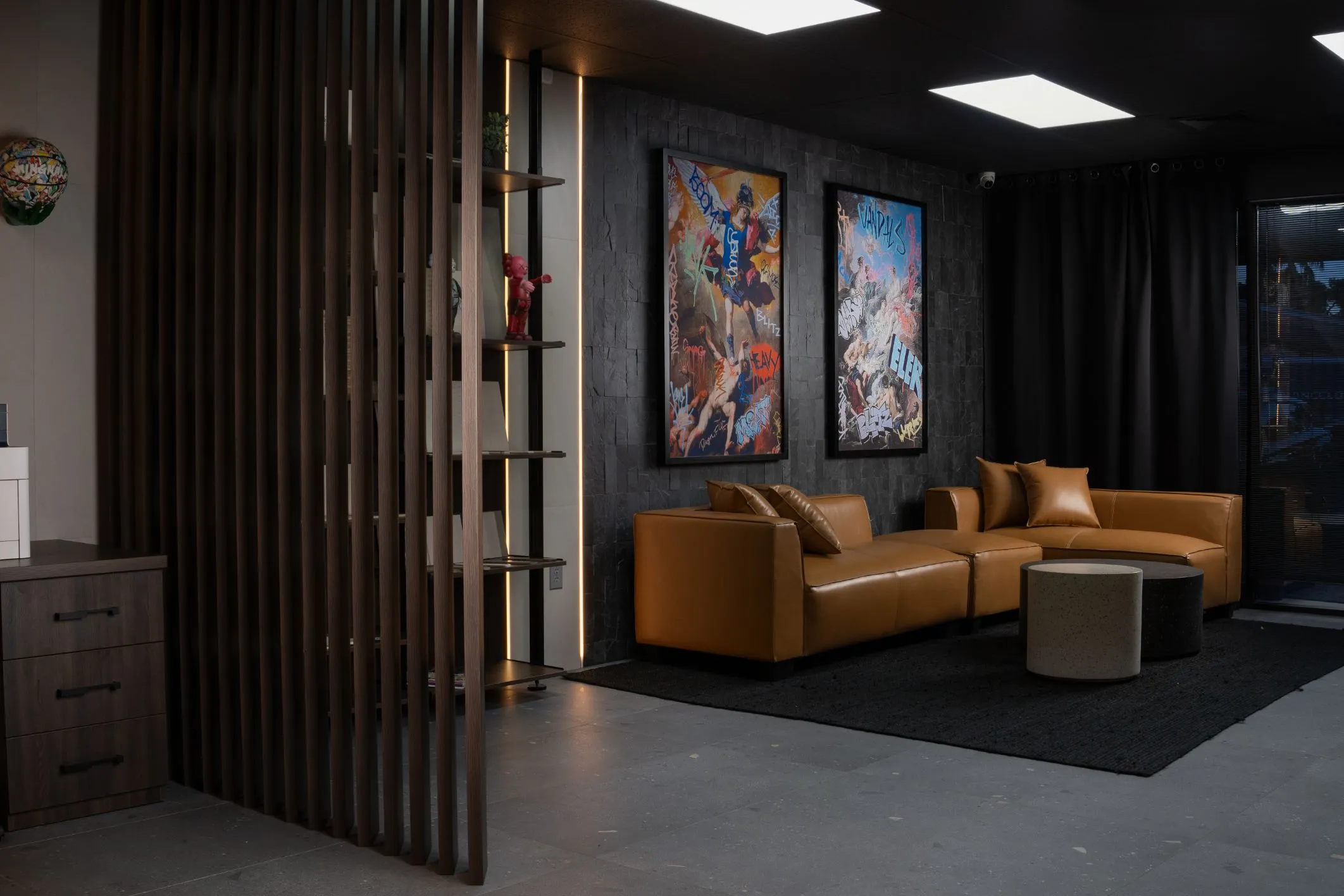
Interior design isn’t just about choosing paint colors or furniture. It’s a deeper process that considers how a space functions, feels, and reflects the personality of its users. In the design-build construction model, interior designers play a key role early on, often helping to guide structural decisions based on aesthetic goals.
Interior Design Involves:
Space Planning: Making sure each area of the home or business is used to its fullest potential.
Lighting Design: Proper lighting enhances mood and functionality.
Material Selection: From flooring to finishes, interior designers choose materials that match both style and durability needs.
Color and Texture Coordination: These elements bring warmth and character to a space.
When interior design is integrated into the design-build process, it ensures that the look and feel of the space align with the architecture and functionality, creating a cohesive and thoughtful environment.
Remodeling: Bringing New Life to Old Spaces
Interior design and remodeling go hand-in-hand, especially when dealing with older properties that need an update. Remodeling allows for the transformation of outdated, inefficient, or worn-out spaces into something modern, useful, and beautiful.
Remodeling may include:
Kitchen and Bathroom Upgrades: Often the most used spaces in a home, and usually first on the remodeling wish list.
Room Additions or Reconfigurations: Expanding living areas or creating better flow between spaces.
Flooring and Surface Replacements: Fresh finishes breathe new life into tired interiors.
Structural Improvements: Sometimes remodeling requires updating foundations, electrical systems, or plumbing.
When remodeling is done as part of a design-build project, everything is planned with the final result in mind. There are fewer surprises during construction because the entire team is involved from the start.
The Power of Integration
When design-build construction, interior design, and remodeling are integrated into one process, the results are often more efficient, more beautiful, and better suited to your needs. Collaboration between all team members ensures that every design choice is backed by practical construction knowledge and tailored to your lifestyle or business operations.
Imagine remodeling your kitchen with an interior designer who understands the latest trends, a builder who knows how to install everything properly, and a project manager who keeps things on track and on budget. That’s the strength of the design-build approach.
Conclusion: One Vision, One Team, One Result
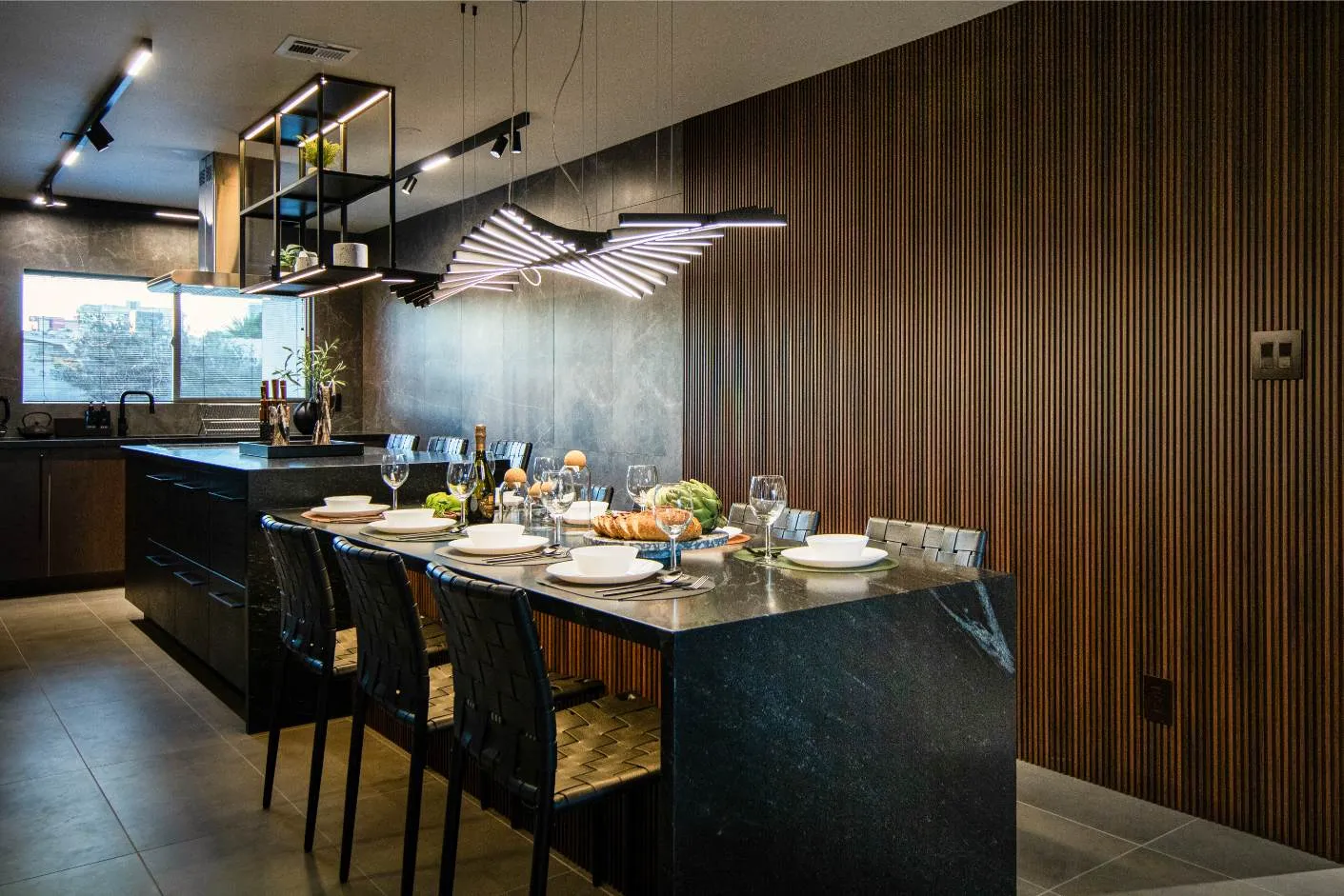
The combination of design-build construction, interior design, and remodeling is a smart and effective way to approach any renovation or new build. Instead of juggling different contractors and worrying about miscommunication, you work with a unified team that understands your vision and brings it to life with skill and care. From space planning and material selection to building and final finishes, this integrated process offers a seamless journey to a space that works beautifully and feels just right.


Comments
Post a Comment